Skip to content

Practical Information
- Medical prescription of medication;
- Chemical Peel;
- Intense Pulsed Light.
Click here to scroll down to the specialists’ section.
Acne Treatments
Acne treatment usually involves a multifactorial approach, taking into account the type of acne the patient has and any associated comorbidities.
The basis of treatment is usually the medical prescription of medication, which may be combined with medical procedures such as Chemical Peel and Intense Pulsed Light.
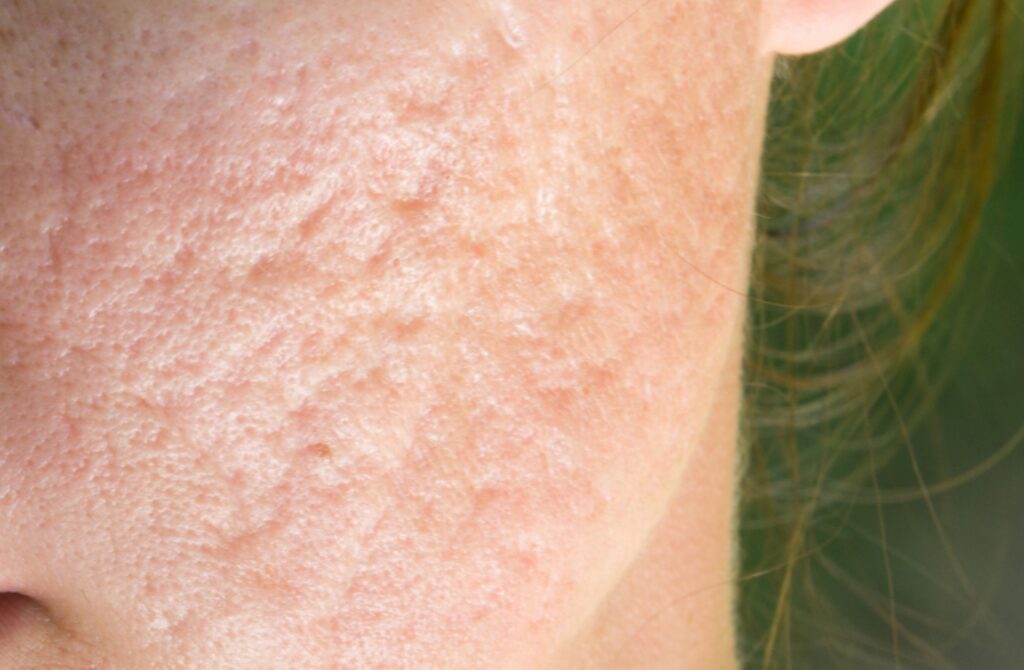
These adjunctive treatments allow for a better and faster therapeutic response, which can be crucial in preventing the formation of acne scars.
1. Chemical Peel
Chemical Peel is a highly effective dermatological procedure for acne treatment. During a chemical peel, an acidic solution is applied to the skin, gently removing its superficial layers.
This helps unclog pores, reduce oiliness and improve skin texture. In addition, chemical peel helps treat acne inflammation and stimulates cell renewal, reducing dark spots and helping prevent the formation of scars.
2. Intense Pulsed Light
Acne treatment with Intense Pulsed Light is a non-invasive technique that uses pulses of light to reduce inflammation and help eliminate the bacteria that contribute to acne development.
Intense Pulsed Light also helps minimise the appearance of acne scars by improving skin texture. This treatment is safe, quick and can provide noticeable results in reducing acne and improving the overall appearance of the skin.
Note: A specialized dermatological evaluation will always be carried out so that we can recommend the most suitable solution for your specific case (which may be one of the treatments mentioned above or another recommended by the doctor).
Before and After Acne Treatment
What is the price of acne treatments?
There will always be a prior assessment so that the doctor can recommend the most suitable acne treatment for your specific case, as well as the corresponding price. Prices may vary depending on the type of treatment and its complexity.
Schedule an evaluation to receive a personalised quote.
What our clients say about us
“I couldn’t thank Dr. Paola (dermatologist) enough for her care and kindness. She explained the procedure (CO2 laser) to me, the post-procedure care, and answered my questions. I had already had the same procedure at another clinic, but it didn’t compare to the treatment I received with this doctor…she was very dedicated and friendly. And […]
“I really enjoyed my experience at this clinic. The staff is conscientious and professional. The results were excellent and they give us a realistic view of what’s expected so we can manage expectations. I’m really satisfied!”
“Dr. Francisco Martins De Carvalho doesn’t overlook the smallest detail. He seeks perfection and finds it. A unique and sublime talent. I woke up with the body of a teenager (I’m 41). Thank you for making me smile.”
“My husband and I were seen by Dr. Paola, who was wonderful and very attentive to every detail. I highly recommend her.”
“I’ve been coming here for a while now and love my experience. The people are accommodating friendly and very professional. I’m happy with the results and it has lived up to my expectations! I shall continue to visit this clinic and I highly recommend it.”
“Super professional and top-quality team. I saw results after the first session.”
“One of the best surgeons, I’m so grateful for the excellent work he did with me! A perfectionist!! I couldn’t be happier with the results! Thank you, Dr. Francisco Carvalho!”
About Acne
What is acne?
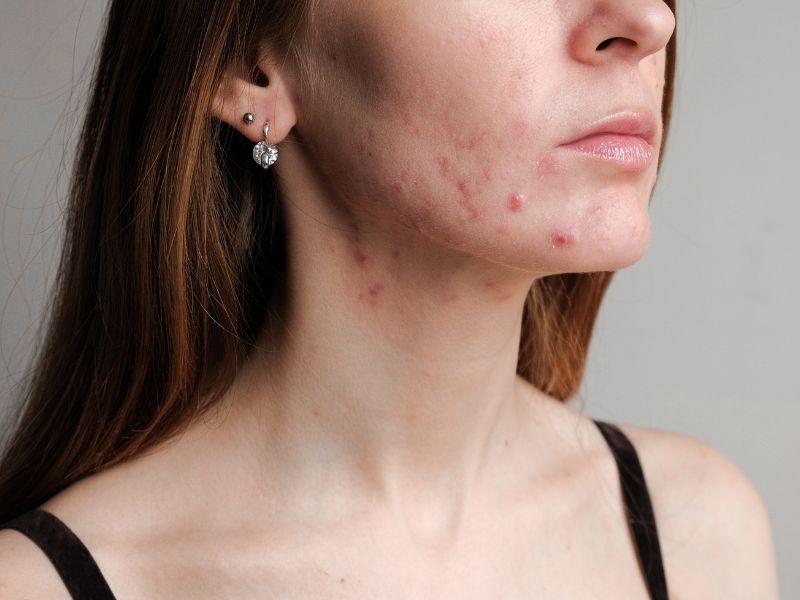
Acne is a dermatological condition that causes inflammation of the sebaceous glands and pilosebaceous follicles, resulting in lesions such as comedones, blackheads and whiteheads, papules, pustules, nodules and cysts. It mainly affects areas such as the face, chest and back.
Although it is very common during adolescence, it can appear at any age. While it can affect self-esteem, there are effective treatments available to control the symptoms.
What are the causes of acne?
- Hormonal factors, especially during adolescence;
- Genetic factors;
- External factors, such as unprotected sun exposure, the use of certain chemical products on the skin or comedogenic makeup, excessive friction on the skin, among others;
- Diet, for example processed foods and foods high in sugar may trigger acne flare-ups in some people.
Frequently Asked Questions
How can acne be prevented?
It is not always possible to prevent acne, as it may depend on factors beyond your control. However, depending on the underlying cause, it may be possible to reduce its occurrence by adopting proper skincare habits and a healthy lifestyle.
Some measures that may help prevent acne include:
- Regular skin cleansing;
- Using cosmetics suitable for your skin type, whether dry, oily or combination skin, and free from comedogenic ingredients, which can clog the pores;
- Regular use of sunscreen;
- A balanced diet, avoiding excessive sugar, fats and processed foods, and focusing on lean proteins, whole grains, fruit and vegetables;
- Maintaining good hydration by drinking enough water to keep the body hydrated and the skin healthy.
What causes acne?
Acne appears when the pores become clogged with sebum, dead skin cells and bacteria. It may also be related to hormonal changes, genetic predisposition, stress, the use of unsuitable cosmetics, friction on the skin or certain lifestyle habits.
Identifying the cause is important to define the most appropriate treatment and reduce the risk of marks or scars.
What are the symptoms of acne?
Acne symptoms can vary depending on the severity of the case. The most common signs include blackheads, whiteheads, inflamed pimples, pustules, nodules or cysts.
In some cases, acne can cause pain, redness, skin sensitivity, dark spots or scars. When the lesions are persistent, inflamed or leave marks, we recommend a dermatological assessment to define the most appropriate treatment.
What is the best treatment for acne?
The best treatment for acne depends on the skin type, the severity of the lesions, the presence of inflammation and whether there are dark spots or scars. For this reason, the approach should always be personalised and defined after a dermatological assessment.
At Living Clinic, the treatment plan may include topical or oral medication prescribed by the doctor, when indicated, as well as complementary treatments such as Chemical Peel or Intense Pulsed Light. The aim is to control active acne, reduce inflammation, improve skin quality and prevent marks or scars.
How long does acne take to disappear?
The time it takes for acne to improve varies depending on the type of acne, the severity of the lesions and the recommended treatment. Results are usually progressive, and it is important to maintain medical follow-up so that the treatment plan can be adjusted whenever necessary.
How do I know if I have hormonal acne?
Hormonal acne tends to appear or worsen during periods of hormonal change. It is often found on the chin, jawline and lower part of the face. It may be recurrent and associated with the menstrual cycle or hormonal changes, and should be assessed by a doctor.
What are the best creams for acne?
The best creams for acne depend on the skin type and the severity of the lesions. Some products help control oiliness, unclog pores and reduce inflammation.
The choice should be made with medical guidance to avoid irritation, sensitivity or worsening of acne.
Do Chemical Peel and Intense Pulsed Light help treat acne?
Yes. Chemical Peel and Intense Pulsed Light can help treat acne when recommended after a dermatological assessment.
Chemical Peel helps remove dead skin cells, unclog pores, reduce oiliness and improve skin texture. Intense Pulsed Light can help reduce inflammation and improve the overall appearance of acne-prone skin.
At Living Clinic, these treatments are integrated into a personalised plan, with the aim of controlling active acne, improving skin quality and helping prevent dark spots or scars.
Specialists
Where to have acne treatment in Porto?
You can have acne treatment at Living Clinic, located at Av. da Boavista 117, 6th floor, Room 607, 4050-115 Porto, Portugal.
Schedule a consultation to hear our recommendation for your specific case and clarify all your questions.